
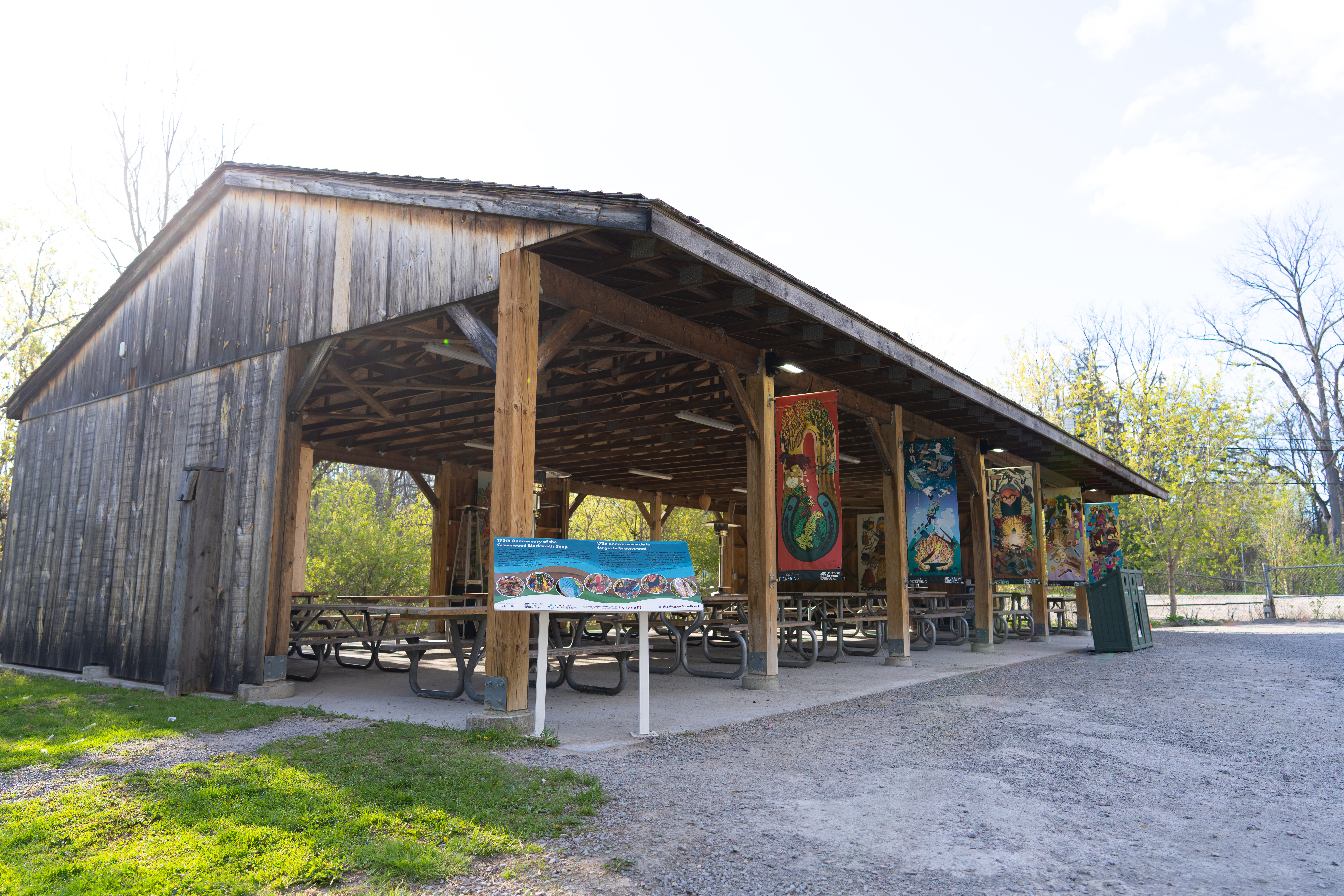
Yes! Students may eat lunch in any of the outdoor spaces including the picnic shelter which has picnic tables and space for approximately 160 students. Students are encouraged to pack a boomerang lunch to help keep our environment clean.
Groundwater Festivals
H2Woah! Groundwater Festival
May 29th, 2026
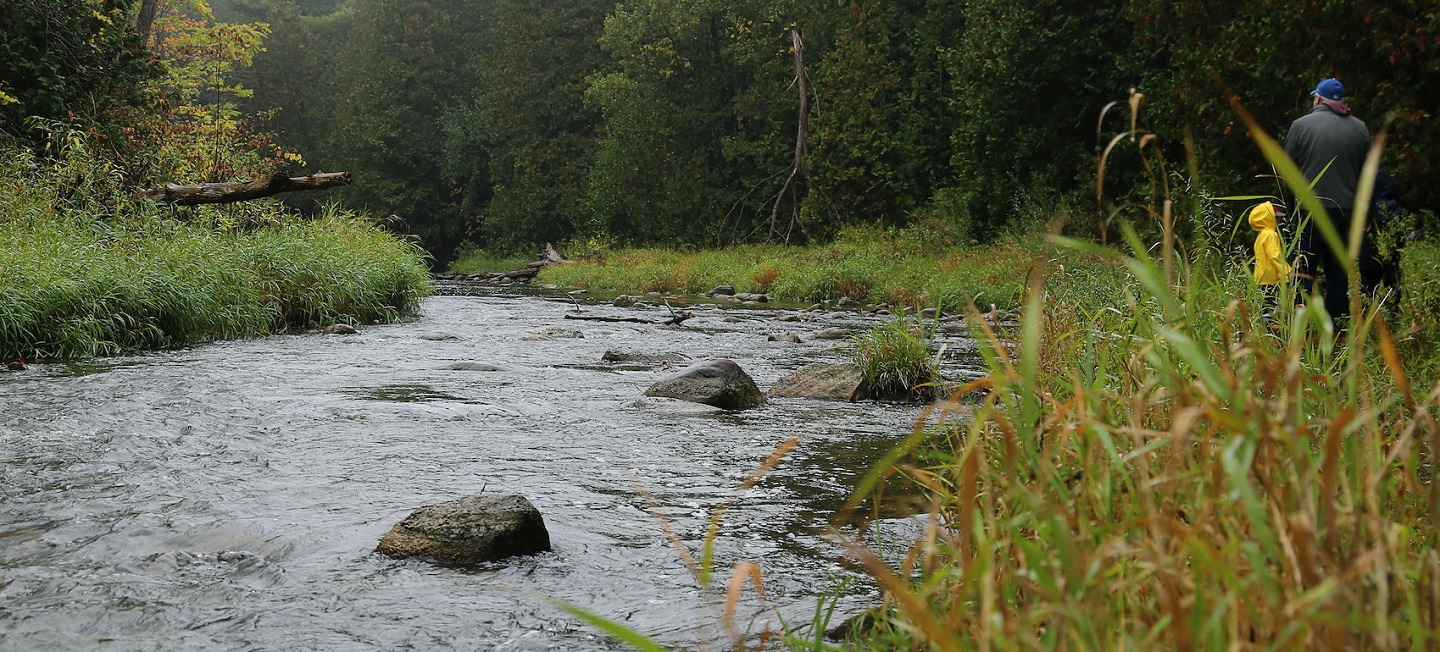
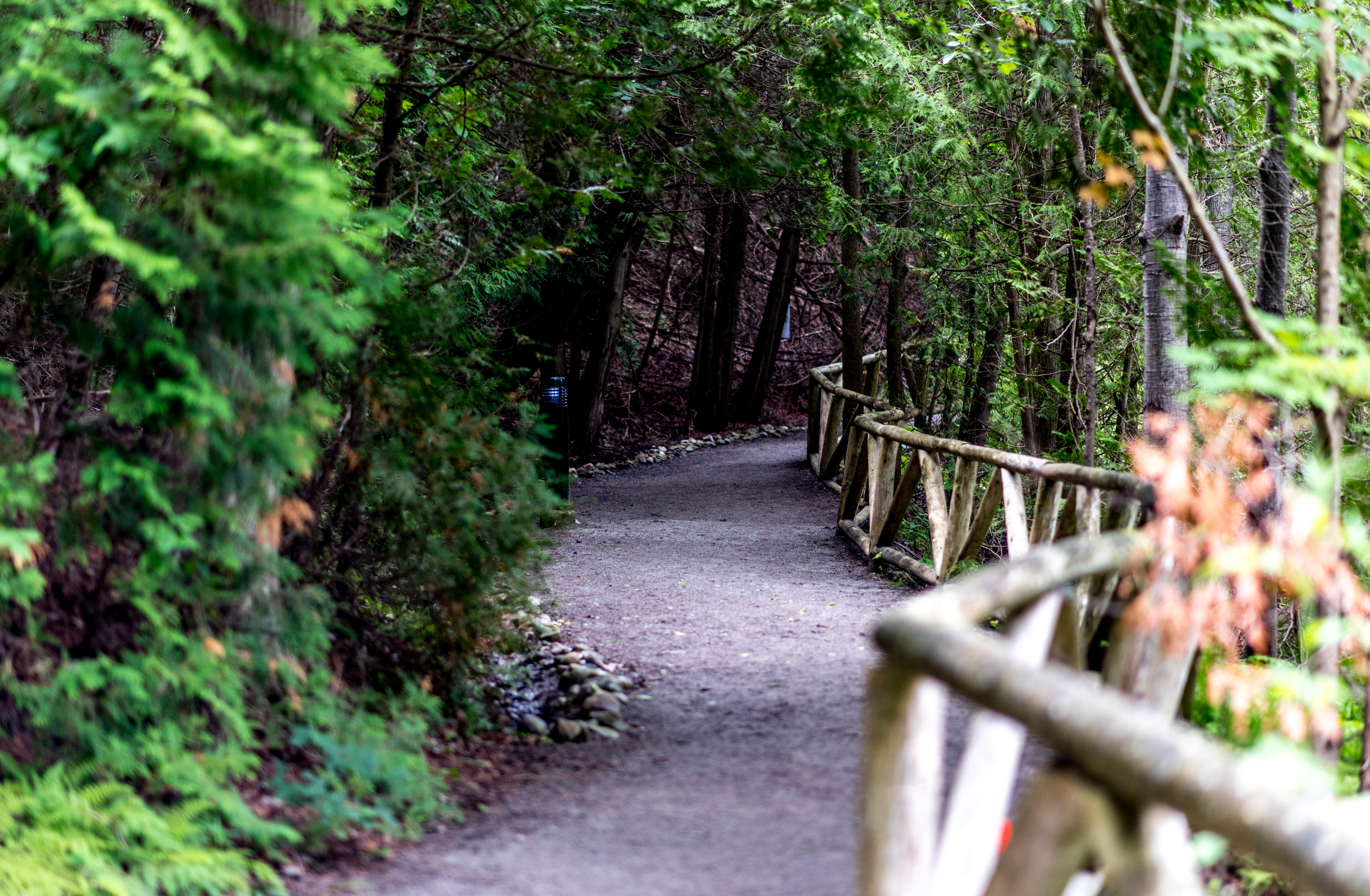
H2WOAH! Bring your Grade 2-5 students for a limited-time, full-day field trip experience that dives deep into the science, history, and magic of water! This hands-on day of activity blends environmental exploration, heritage discovery, and creative experimentation —all set in PMV’s forested grounds, flowing creek, and historic buildings.
Students will rotate through engaging activity stations that explore water’s journey through nature, underground, and through time with opportunity to explore independently with their teacher and adult chaperones. With scalable activities tailored to each grade level, teachers can expect curriculum-aligned learning, outdoor adventure, and unforgettable fun.
Grade 2 – Science (Air & Water in the Environment); Grade 3 – Science (Soils in the Environment); Grade 4 – Science (Habitats & Communities); Grade 5 – Science (Conservation of Energy & Resources)
| Morning Program | 10:00 am - 11:30 am |
| Afternoon Program | 12:00 pm - 1:30 pm |
- half day program combined with 1/2 independent exploration
| Half Day | $9.53 per student |
| Full Day | $15.97 per student |
Are you a homeschool or youth group looking for a booked program?
Bookings are available on Saturday May 30th during the Duffins Creek Festival for a 1.5 hr program guided, interactive programs. Your group is welcome to explore the festival before or after their booked program. Above pricing applies.
More information on the Duffins Creek Festival can be found on the Programs and Events Page.
FAQs
Is there somewhere to purchase lunch?
Limited drinks and small snacks (chips, chocolate, etc.) are available for purchase in our gift shop or at the Dorsay Community & Heritage Centre. Students are encouraged to bring a packed lunch.
Where should our bus pick up or drop-off?
Busses should pick up or drop-off at the Dorsay Community & Heritage Centre where your group will meet Museum staff and walk to the Museum Village. Please advise upon booking if your group has accessibility needs and may need to arrange an alternate drop-off and pickup location.
Our programs run rain or shine, and this includes the Groundwater Festival! We suggest checking the weather leading up to your visit and dressing appropriately for the conditions. Rain boots and umbrellas are highly encouraged, what better way to learn than to immerse yourself through play and activity in the rain?
What if there is a lightning storm?
Our staff are ready to adjust program to remain indoors until lightning has stopped. If the storm is present at bus departure time, buses will be allowed onto the museum village site for safe collection of students.
Are your heritage buildings heated and air-conditioned?
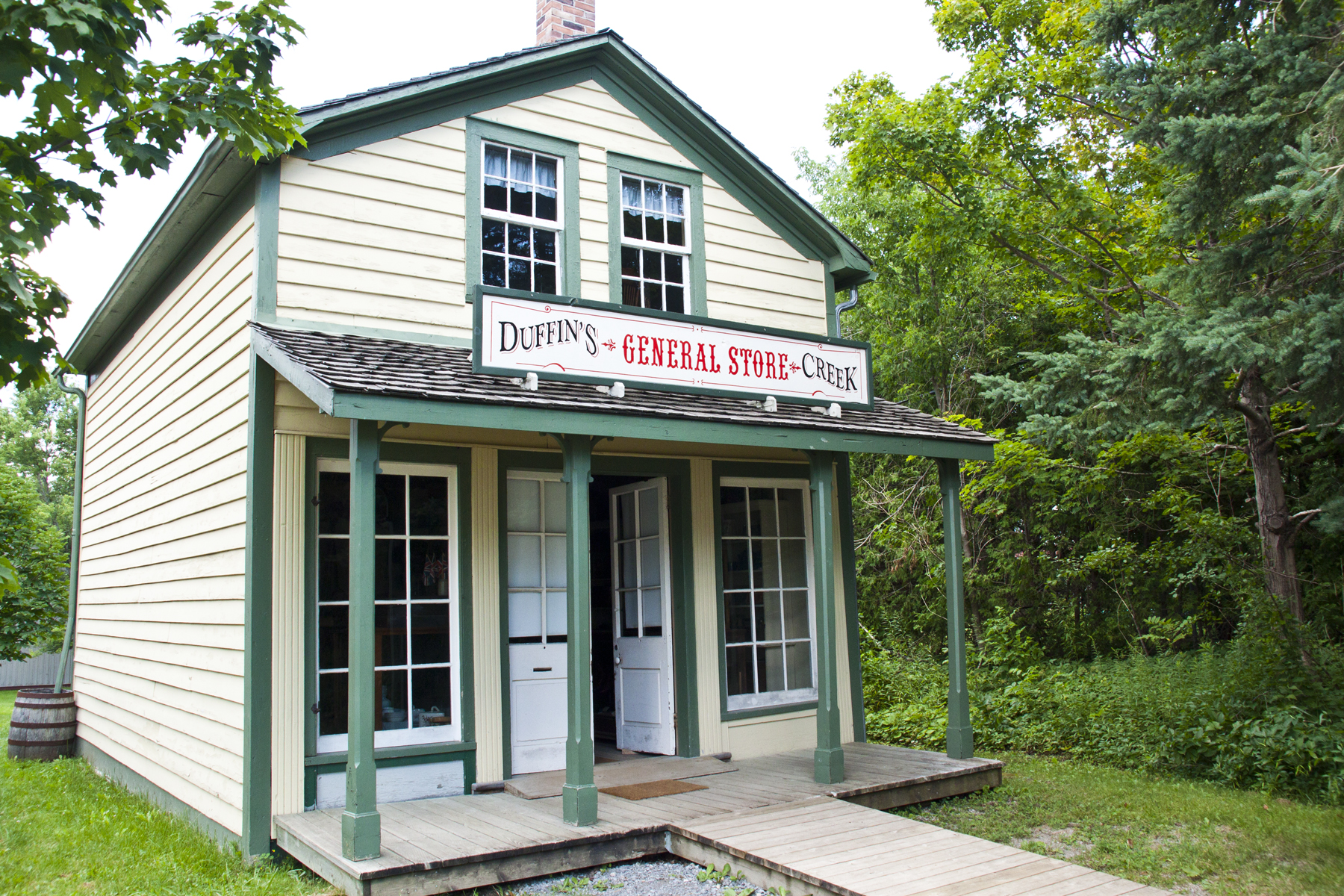
No, our buildings are not heated or air-conditioned so we guarantee an authentic early settler experience! Students should come dressed in layers for any weather conditions. Teachers booking in December may wish to consider only a half-day trip if student comfort is a concern.
How many adult chaperones should I bring and do they have to pay?
We encourage adult chaperones and recommend a ratio of 1:4 supervision. Chaperones within this ratio are free! Any chaperones over our recommended number will be charged general admission fees.
Like classroom numbers, size matters. Our heritage buildings are authentic (and small) and we like to offer as much hands-on and interactive learning as possible. For that reason, we like group sizes to be as balanced as possible so that students have to the opportunity to see and do as much as they possibly can during their time with us.
Do you have any tips for ensuring a successful field trip for my students?
Share learner needs early (2 weeks prior): Wheelchair users, MLL/ELL students, hearing aids/FM systems, non‑verbal or autistic learners, anxiety, allergies, sensory sensitivities—tell us what works best.
Plan chaperone roles: Assign a materials helper, timekeeper, and quiet‑space buddy to support stations and transitions. We provide the fun, experiential learning; you and your chaperones oversee student behavior and support their respectful exploration and learning.
Language support: If possible, bring a translation buddy or share key home languages; we’ll prep visuals and simplified instructions.
Accessibility map: Tell us which students need step‑free routes/ramps; we’ll adjust station locations and pathways. Let us know of students who require toileting accommodations.
Sensory plan: Share triggers (noise/crowds/textures) and calming strategies; we’ll set up a clearly marked quiet space and offer noise‑reduction options.
Hearing accommodations: Let us know about FM systems or lip‑reading needs; interpreters can face the group, reduce background noise, and provide written prompts.
Prep for hands‑on: Confirm students can touch natural/heritage materials; if not, we’ll prepare gloves/alternatives.
Class profile snapshot (at booking): Number of classes, grade levels, IEPs/504s, medical needs, MLLs, mobility supports – give us a brief high‑level overview to help us tailor stations and activities.
Grouping strategy: Create mixed‑ability groups and identify a calm leader for each (our group sizes are approximately 24 students). Teachers are asked to remain with groups including students with severe behavioral issues.
Pre‑teach vocabulary: We can send key terms (science/history) in simple language ahead of time; please review in class for smoother on‑site comprehension.
Share communication preferences: Picture exchange, AAC devices, gestures—tell us what your learners use; we’ll mirror those supports.
Quiet‑time scheduling: If your class benefits from short movement breaks, we’ll embed them between stations. We can make the same accommodations for snack times if they are required.
Alternate tasks: Let us know who needs non‑written responses (drawing, mapping, building). We’ll provide choice‑based outputs.
Contact Us
Pickering Museum Village
3550 Greenwood Road, Pickering
ON L1X 0J3
905.683.8401