
London Pattern Anvil
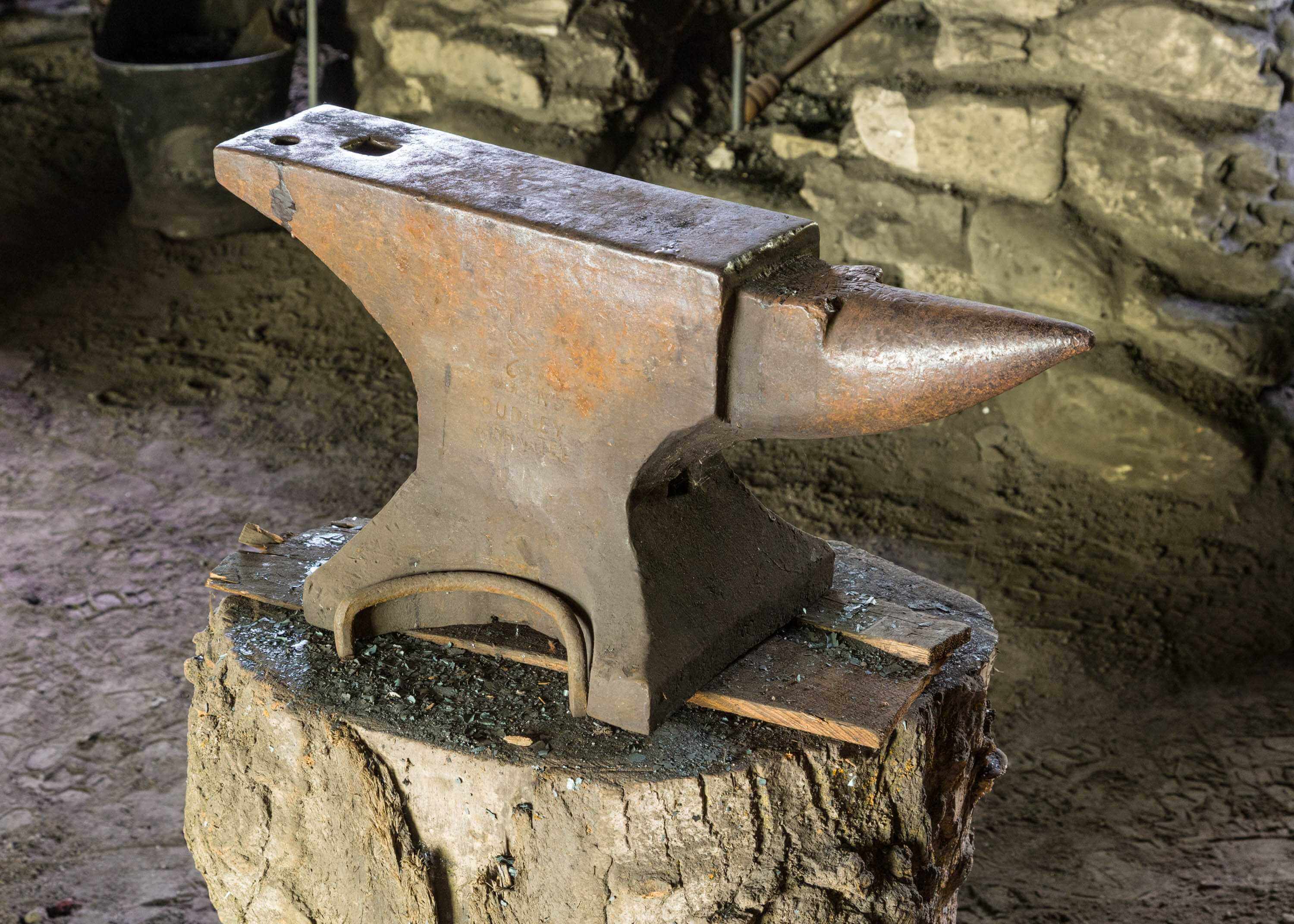
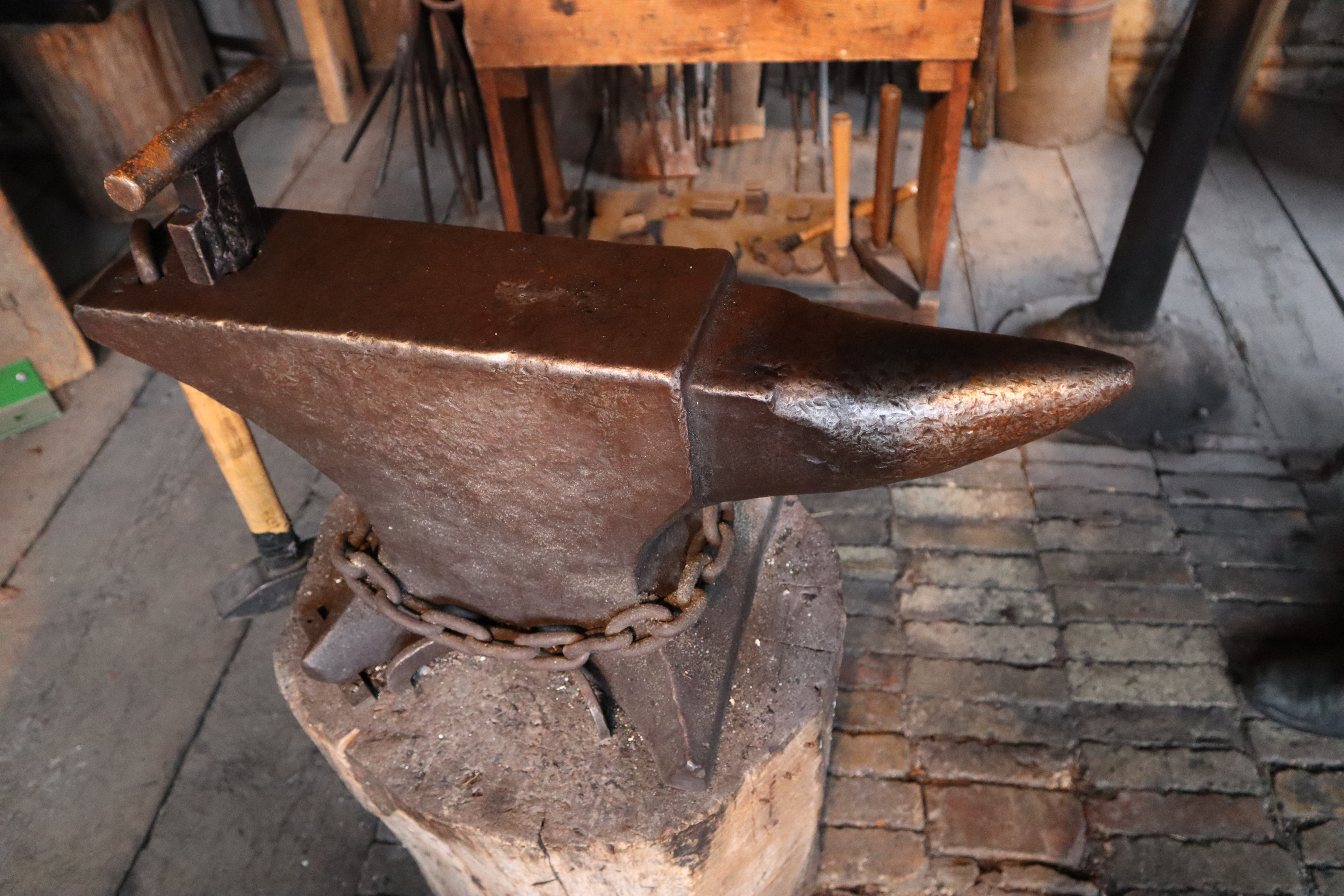
The London Pattern anvil is the most popular anvil used by blacksmiths. This type of anvil has a large flat face on one side which provides a nice surface for metalwork. It has a pointed, horn-like end on the opposite side.
European Style Anvil
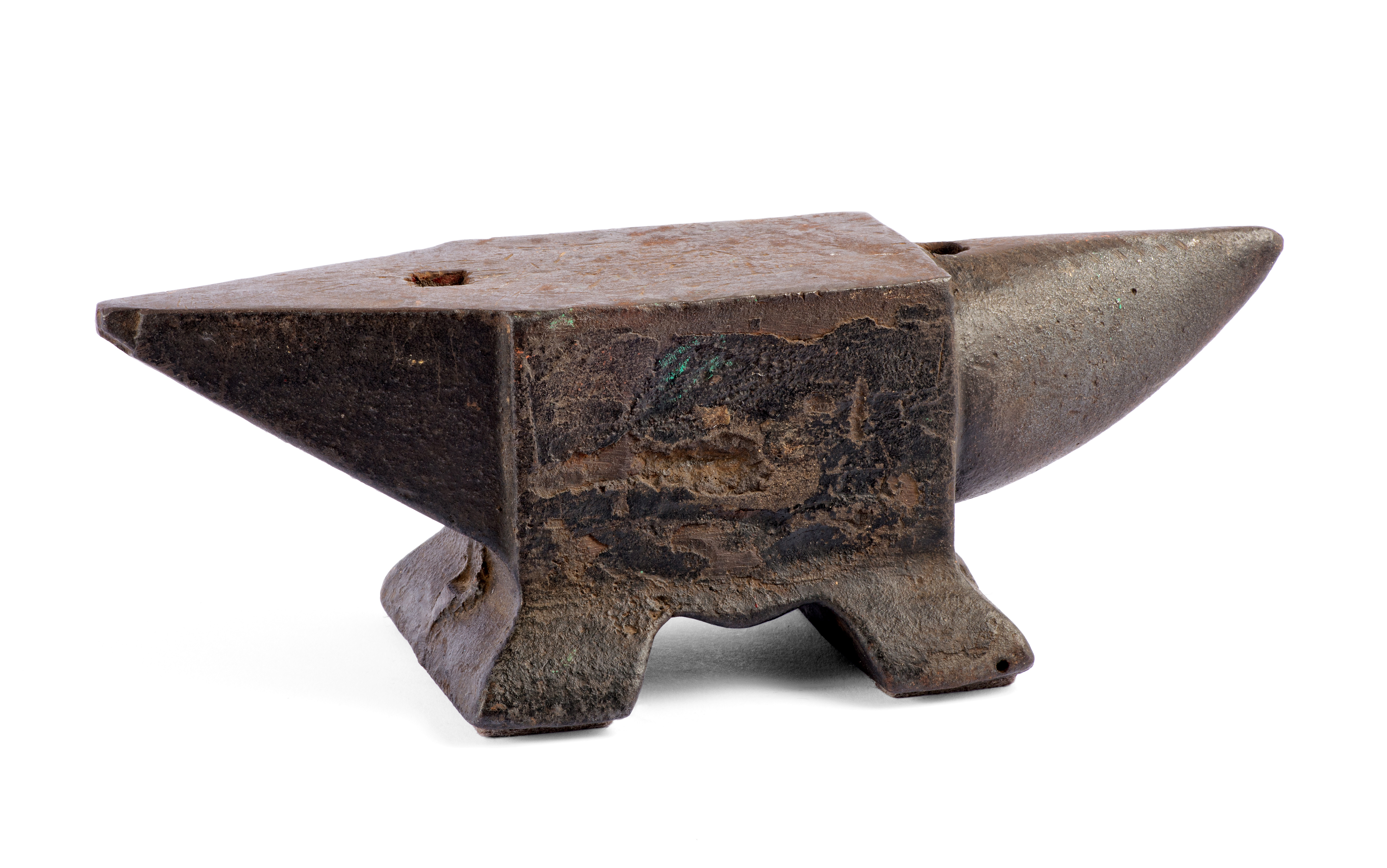
The second most popular style of anvil used by blacksmiths is the European Style anvil. The European Style anvil is different because it has a horn on each end of the anvil and has a wider base.
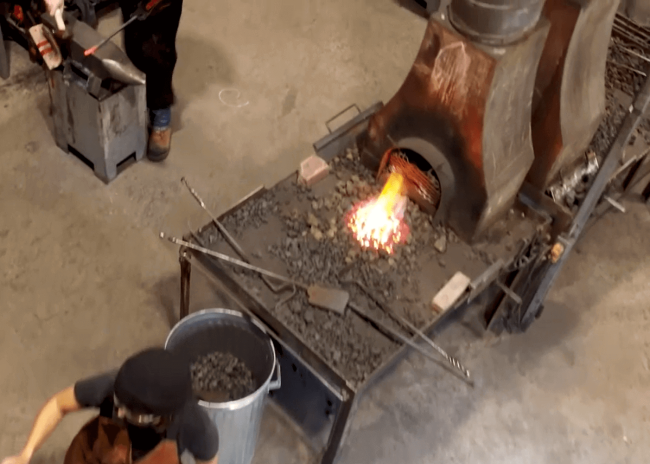
Solid or Coal Forges
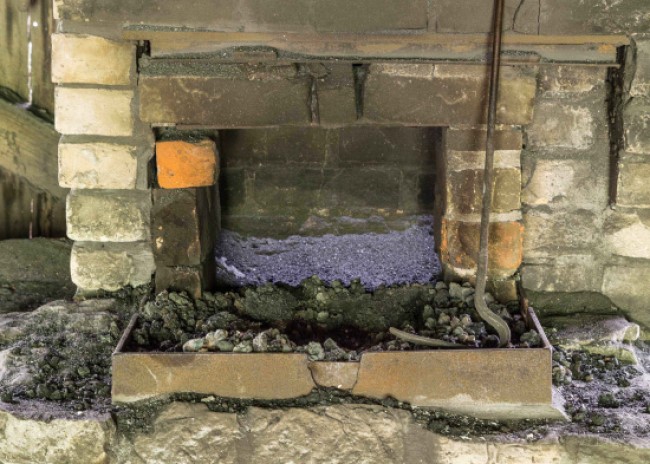
Solid or coal forges are the most traditional and trustworthy forges used by blacksmiths. They require material that can withstand high and steady temperatures such as coal, coke, charcoal, and wood.
Solid forges are favoured by a majority of blacksmiths because it burns quicker and reaches higher temperatures than propane forges. On the other hand, solid forges can have an uneven distribution of heat.
As a result, blacksmiths must learn the best area in their forge to heat their pieces of metal.
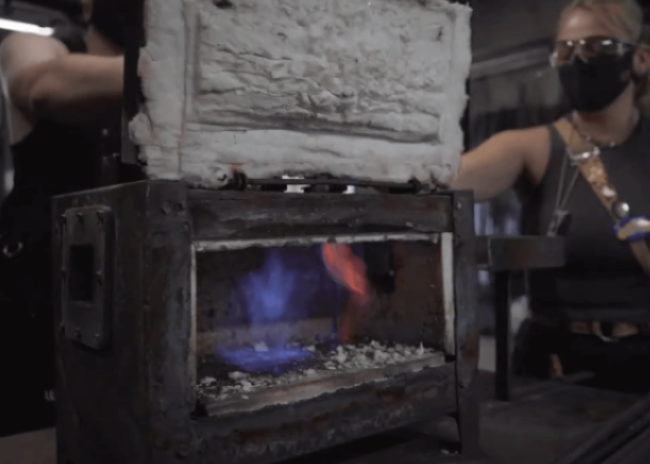
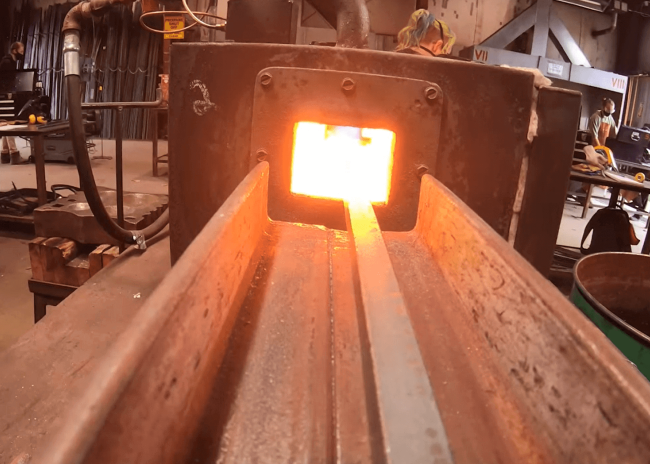
Gas or Propane Forges
Gas or propane forges are a modern forge used by blacksmiths. It is known to be beginner friendly compared to solid forges.
Propane forges are favoured by some blacksmiths because they are a cleaner option than solid forges: there is less smoke and clean-up to be done. They are more likely to have an even distribution of heat. However, propane forges typically are unable to reach the same high temperatures as solid forges. Propane forges are recommended for working on smaller projects.
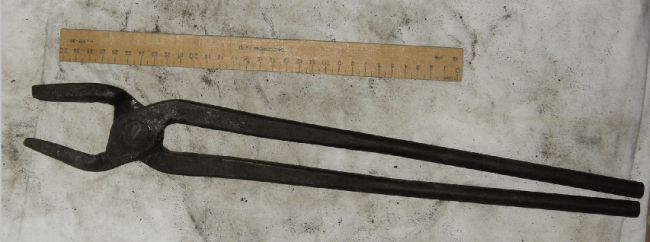
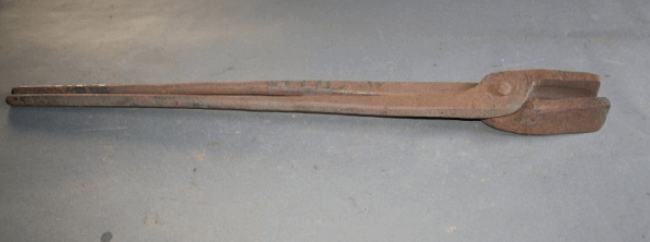
Flat Jaw Tongs
Flat jaw tongs are typically used when working with flat pieces of metal.
Their flat clamps are good to hold flat pieces of metal.
These tongs are often used in the beginning stages of forging.
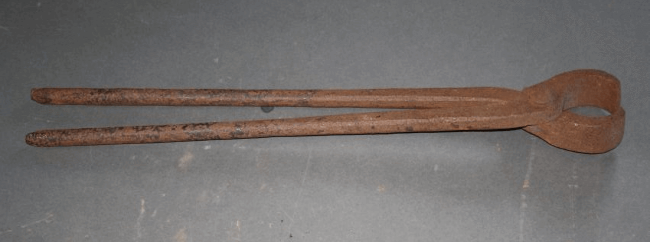
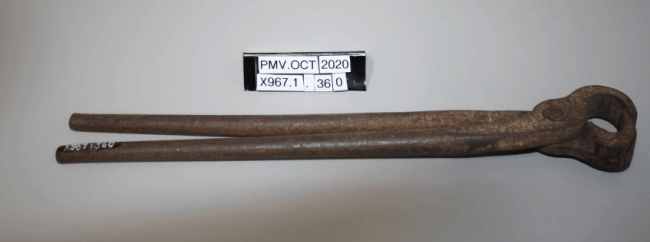
Pick-Up Tongs
Pick-up tongs are used by blacksmiths to pick up rounded pieces of metal. Their jaws are flattened and curved inwards, providing an almost perfect shape for picking up rods or rounded bits of metal.
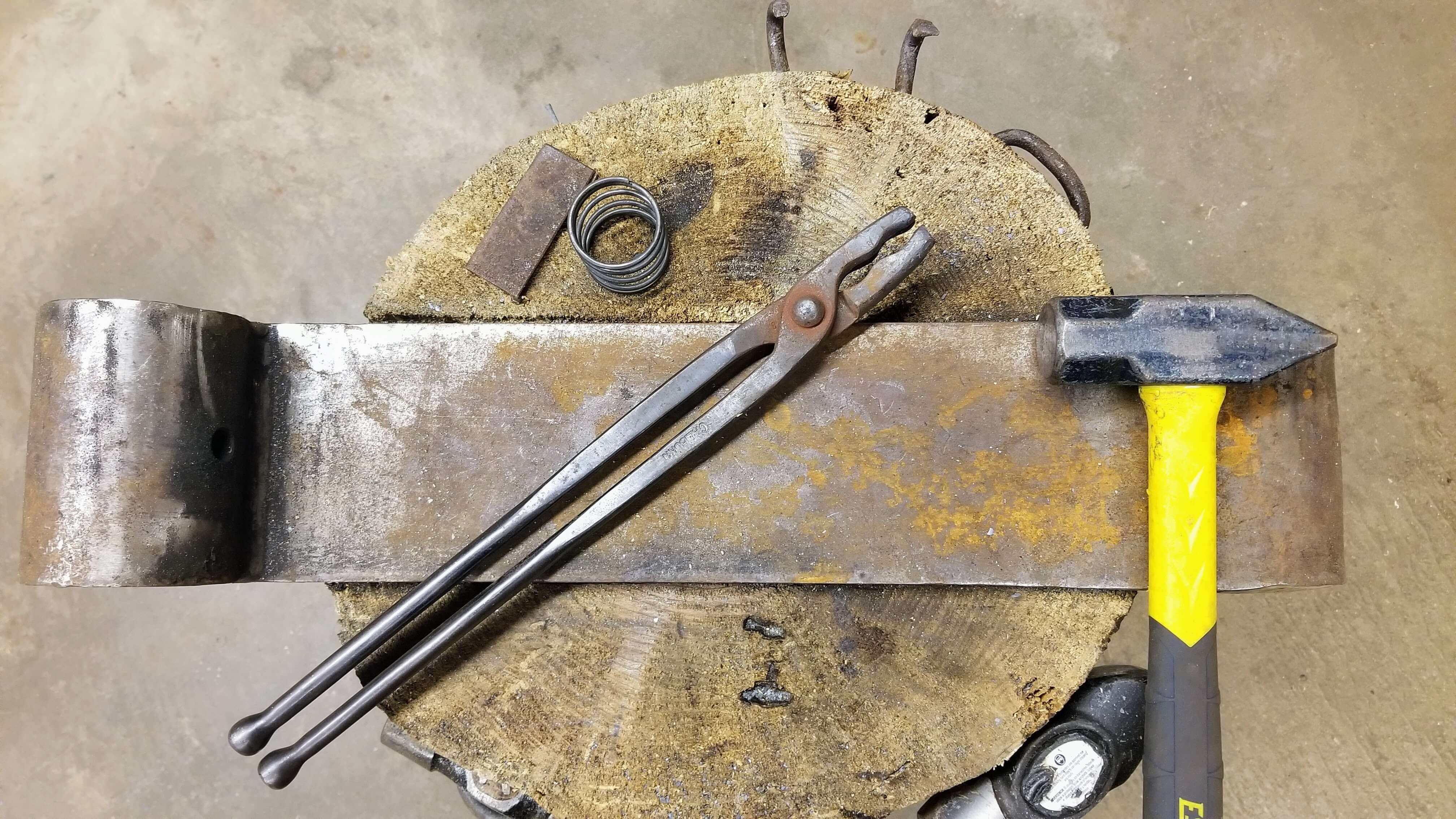
Wolf Jaw Tongs
Wolf jaw tongs are the most universal used by blacksmiths. They are great for picking up both flat pieces of metal as well as rounded pieces metal because of their jagged teeth.
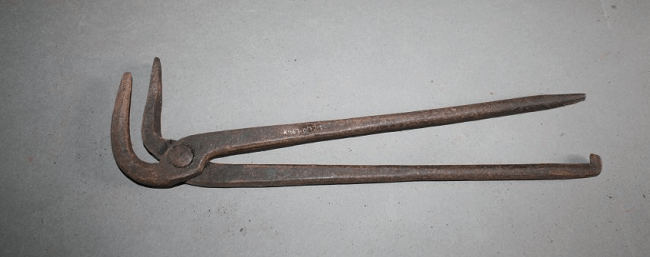
Bent-Knee Tongs
Bent-knee tongs are amongst one of the most unique looking tongs in a blacksmith’s toolbox. Their jaws are bent almost at a 90 degree angle. These tongs allow a blacksmith to easily pick up a flat piece of metal from a lower height, and to pick up metal objects or forgings with hollow shapes.
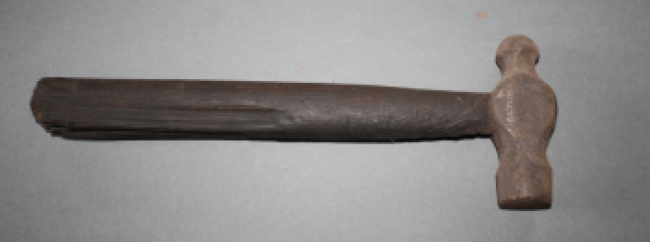
Ball-Peen Hammer
The ball-peen hammer is one of the popular hammers by blacksmiths.
It is a great hammer for beginners.
It has a rounded, ball shaped face on one end, and a flat face on the other end.
This hammer is often use to flatten or stretch metal when struck.
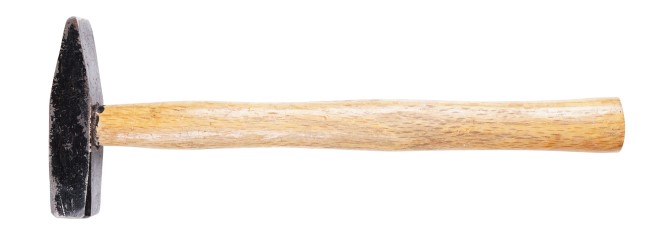
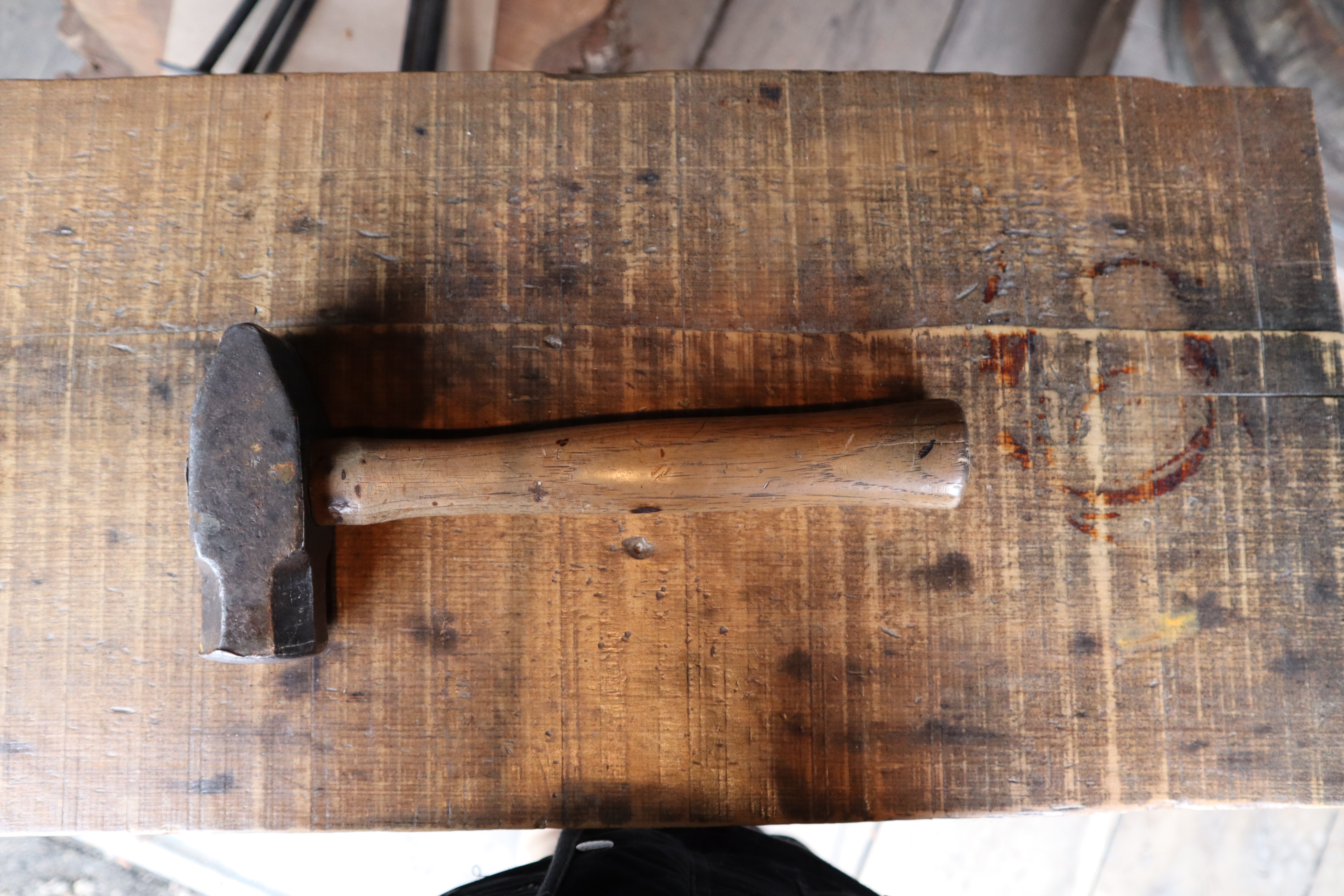
Cross-Peen Hammer
The cross-peen hammer is another hammer popular amongst blacksmiths. It has two different faces: one face is flat, similar to the ball-peen hammer, and the other end is shaped like a wedge. The wedge side is known as the cross-peen. With enough force, this end will widen a groove within metal move a piece of metal perpendicular to the cross-peen when struck.
Planishing Hammer
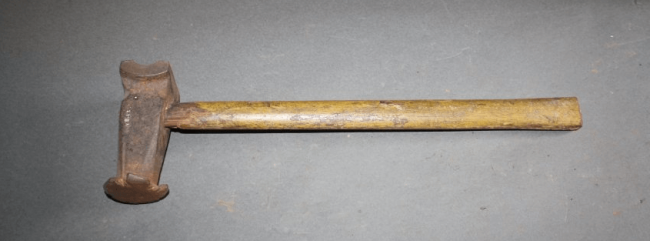
The planishing hammer is a tool used to finish and polish a piece of metalwork. One end has a rounded gauge, while the other end is flat. Blacksmiths use this hammer to refine the outer surface of curved and flat forms by removing hammer marks. Because this is a finishing hammer, the faces should be polish to a mirror finish.
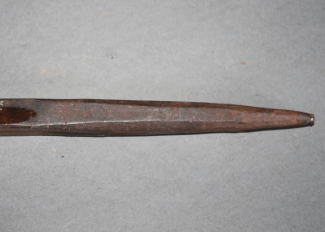
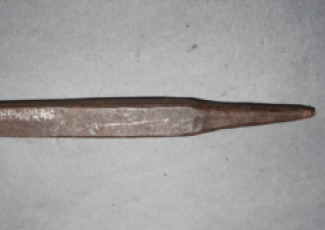
A punch is a metal tool that comes in many sizes and shapes. A punch is a small piece of metal, with a narrow and pointed tip on one end and a flat, blunt tip on the opposite end.
The blacksmith requires a hammer to strike the blunt end of the punch in order to create a hole or design onto another piece of hot metal. It is typically used to manually drill a hole in another piece of metal. It can also be used to make an impression, a decorative pattern or design, or to create a guiding mark.
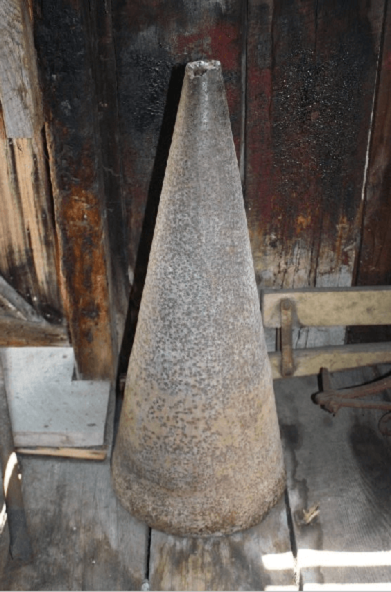
Floor Cone Mandrels
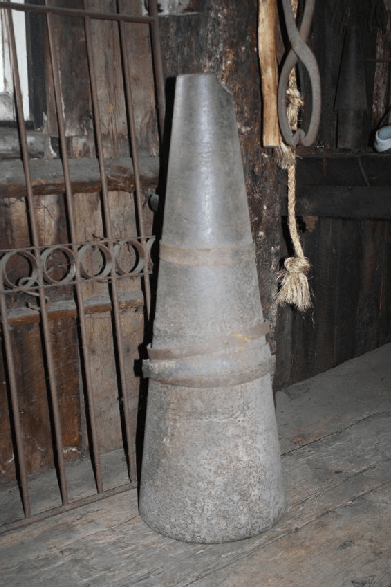
Floor cone mandrels are the largest of the cone mandrels that blacksmiths use. They are typically made out of cast iron and are hollow. The floor cone mandrel is used for larger projects such as creating a metal tire ring or a large metal chain.
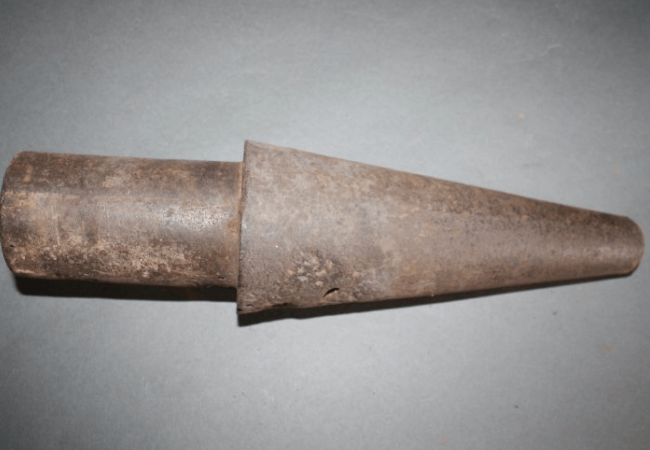
Anvil or Hardy Hole Cone Mandrel
An anvil cone mandrel is a smaller cone mandrel. They sit in the hardy hole of an anvil. They are typically used for smaller projects such as creating jewelry and small chains.